World Pulse × Tech Lens
Systems Thinking
Systems don’t collapse.
They drift—until collapse looks sudden.
Across the world, we’re watching markets swing wildly, platforms destabilize, institutions lose trust, and communities polarize.
Each time, the same question appears:
“How did this happen so fast?”
From a systems-thinking lens, it didn’t.
How Complex Systems Actually Fail
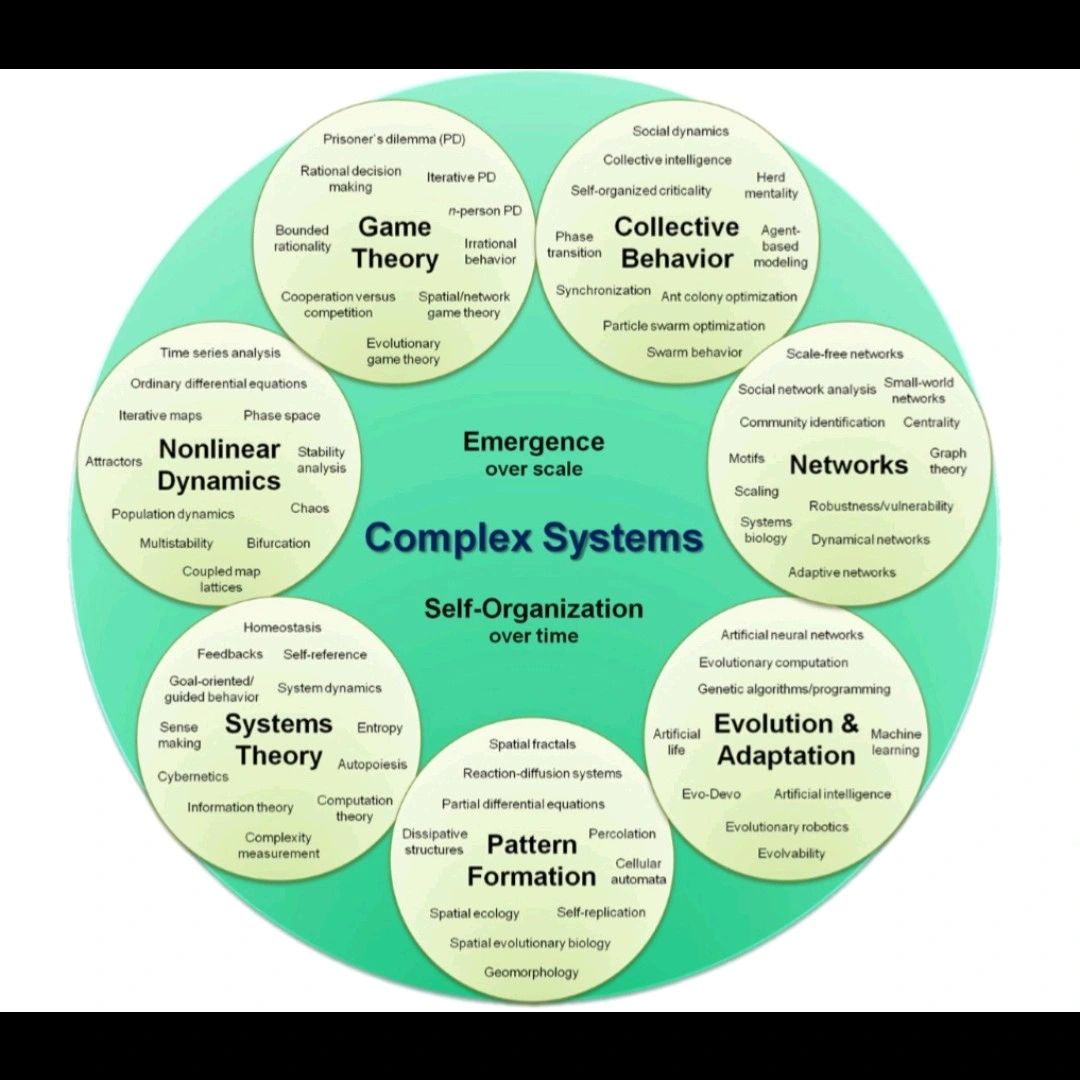
Complex systems fail when:
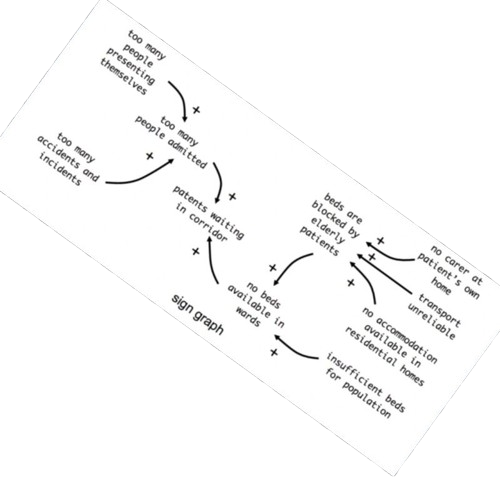
- Feedback loops are ignored
- Incentives reward the wrong behavior
- Local optimizations damage the whole
- Early warning signs are dismissed as “noise”
Software systems behave this way.
So do organizations.
So do societies.
When Metrics Teach Exploitation
When success is measured only through short-term wins, the system quietly trains participants to exploit it.
Not out of malice—
but because the rules reward it.
Over time, the system loses its ability to protect itself.
By the time failure becomes visible, the damage has already been compounded—by design.
What Good System Designers Know
Strong systems don’t achieve stability through control.
They build resilience through balance:
- Clear feedback
- Real accountability
- Time to recover
- Space to say “stop”
This applies to codebases, companies, governments, and cultures alike.
The Uncomfortable Truth
No system breaks randomly.
It breaks according to the rules we allowed.
So if a system keeps failing, don’t blame the people inside it.
Examine the system that shaped their behavior.

.CCHX7fac.png)
We are experienced professionals who understand that It services is changing, and are true partners who care about your future business success.
Our Location
- 319, Fortune Square, BKC, Mumbai - 400051.